

Understanding Orthopedic Supplies: What Are They?
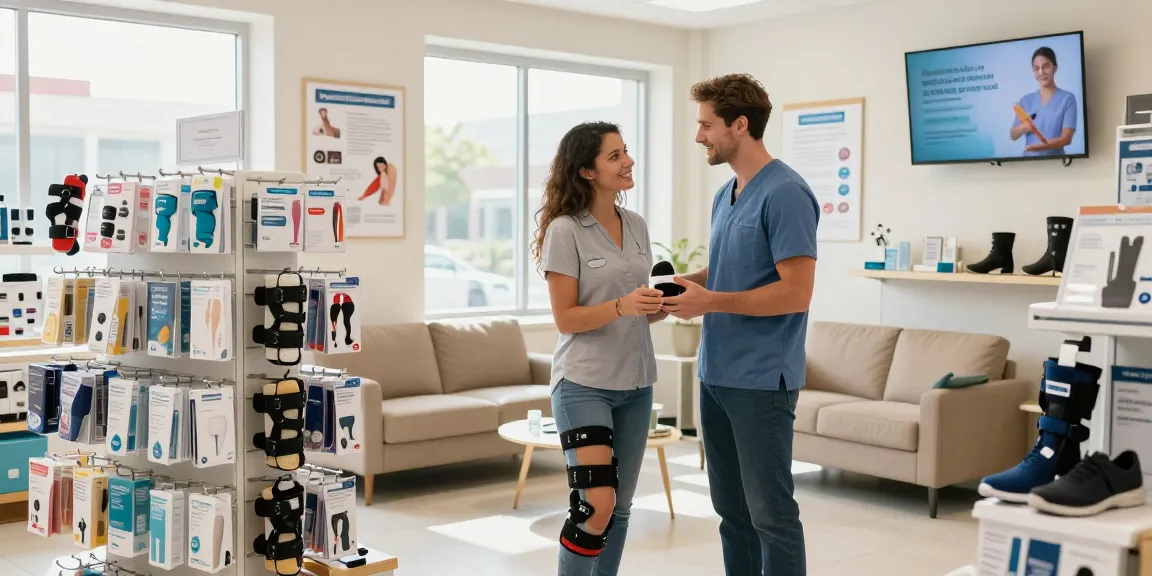
Orthopedic supplies play a crucial role in diagnosing, treating, and managing musculoskeletal disorders. These aids are designed to support individuals recovering from injuries, those living with chronic conditions, or anyone seeking to enhance their mobility. With advancements in technology and material science, orthopedic supplies have evolved to become more effective and user-friendly. When exploring options, orthopedic supplies can provide comprehensive insights into the products available for various needs.
Definition and Importance of Orthopedic Supplies
Orthopedic supplies encompass a wide range of medical tools and devices that aid in the correction of musculoskeletal deformities and injuries. They include braces, splints, crutches, orthotic devices, and more. These products are essential for rehabilitation post-surgery, injury recovery, and managing chronic conditions such as arthritis or osteoporosis. The importance of orthopedic supplies cannot be overstated, as they are pivotal in restoring mobility and enhancing the quality of life for patients.
Types of Orthopedic Supplies Available in the Market
There are numerous types of orthopedic supplies, each designed for specific conditions and requirements. Common categories include:
- Braces and Supports: Used for stabilization and support for joints.
- Orthotic Footwear: Specially designed shoes that provide support and alignment for the feet.
- Splints and Casts: Used to immobilize fractured bones or support injured limbs.
- Rehabilitation Equipment: Items like resistance bands and exercise balls that aid in physical therapy.
- Assistive Devices: Crutches, walkers, and wheelchairs that help individuals navigate their environments.
How Orthopedic Supplies Improve Quality of Life
Proper use of orthopedic supplies can significantly enhance a person’s daily life. They not only facilitate recovery but also empower individuals to regain independence. For instance, a well-fitted knee brace can alleviate pain and allow a person to engage in physical activities they might otherwise avoid. In addition, orthopedic supplies can prevent further injuries by providing necessary support during movement.
Identifying Your Needs for Orthopedic Supplies
Understanding your specific needs is the first step in selecting the right orthopedic supplies. Assessing your lifestyle, the nature of your injury or condition, and your rehabilitation goals can guide your decision-making process.
Common Injuries and Conditions Requiring Orthopedic Supplies
Many injuries and conditions warrant the use of orthopedic supplies. Common scenarios include:
- Sports Injuries: Sprains, strains, and fractures often require braces or splints to aid recovery.
- Post-Surgical Recovery: After orthopedic surgeries, such as knee or hip replacements, patients typically benefit from crutches and knee walkers.
- Chronic Conditions: Conditions like arthritis and scoliosis may necessitate continuous use of supportive devices.
How to Assess Your Personal Needs
Identifying your needs involves an honest evaluation of your physical condition and mobility levels. Consider factors such as:
- The type of injury or condition you are managing.
- Your activity level and what support you require for daily activities.
- Your goals for recovery or enhancement of mobility.
Consulting with Healthcare Professionals for Recommendations
It is vital to consult with healthcare providers, such as physical therapists or orthopedic specialists, who can recommend appropriate orthopedic supplies tailored to your specific situation. They can provide expert insights on the best products available and how to use them effectively for optimal results.
Choosing the Right Orthopedic Supplies
With numerous options available, selecting the right orthopedic supplies can be overwhelming. However, being informed can help streamline the process.
Factors to Consider When Selecting Orthopedic Products
Key factors to evaluate include:
- Comfort: Ensure the product fits well and provides adequate support without causing discomfort.
- Durability: Choose materials that can withstand regular use without degrading.
- Ease of Use: Select devices that are user-friendly, especially for those with limited mobility.
Reviews and Recommendations: How to Navigate Options
Before making a purchase, it can be beneficial to read reviews from other users. Their firsthand experience can provide insights into the effectiveness and reliability of specific products. Look for recommendations from healthcare professionals as well, as they can help you find reputable brands known for quality orthopedic supplies.
Understanding Product Ratings and Certifications
When evaluating orthopedic supplies, check for relevant certifications and ratings. Products that comply with safety and quality standards will often display certifications from recognized bodies, ensuring you choose items that are safe and effective.
Trends in Orthopedic Supplies for 2026
The orthopedic supplies industry is continuously evolving, with several trends shaping the future of these essential products.
Innovative Technologies and Materials in Orthopedic Products
Advancements in technology, such as 3D printing and smart materials, are revolutionizing orthopedic supplies. These innovations enable the creation of custom-fitted products that can enhance comfort and effectiveness, ensuring a better fit for individual needs.
The Rise of Customizable and Personalized Orthopedic Solutions
More companies are now offering customizable orthopedic solutions that align closely with individual anatomy and preferences. This shift towards personalization allows for improved outcomes in recovery and long-term management of musculoskeletal issues.
Future of Telemedicine and Remote Consultations for Orthopedic Needs
The integration of telemedicine in orthopedic care is becoming increasingly prevalent. Patients can now receive consultations and support remotely, making it easier to obtain recommendations for supplies and ongoing care without the need for in-person visits.
Maintaining and Caring for Your Orthopedic Supplies
Proper care of orthopedic supplies is essential to ensure their longevity and effectiveness. This section discusses best practices for maintenance.
Best Practices for Cleaning and Storing Orthopedic Products
Cleaning your orthopedic supplies regularly is vital to maintain hygiene and functionality. Follow these guidelines:
- Use mild soap and water to clean surfaces, avoiding harsh chemicals that can damage materials.
- Store items in a dry, cool place to prevent degradation.
- Regularly inspect for wear and tear, replacing items as needed.
When to Replace Your Orthopedic Supplies
It is crucial to monitor the condition of your orthopedic supplies actively. Signs that replacement is necessary include visible wear, decreased effectiveness, or discomfort during use. Regular assessments can help ensure you are using the right products for your current needs.
Monitoring Your Progress and Adjusting Usage of Supplies
As you recover or manage your condition, your need for orthopedic supplies may change. Regularly reassess your progress with your healthcare provider and adjust your usage accordingly to ensure optimal results.
What types of orthopedic supplies are essential for recovery?
Essential orthopedic supplies for recovery include braces, splints, and rehabilitation equipment tailored to your specific injury or condition. Consult with your healthcare provider to determine the most suitable options.
How do I know if I need orthopedic supplies?
If you experience pain, instability, or limitations in mobility due to injury or chronic conditions, it may indicate a need for orthopedic supplies. A healthcare professional can provide a thorough assessment.
Are there specific brands of orthopedic supplies that are recommended?
Several reputable brands are known for their high-quality orthopedic supplies, including Ossur, Aircast, and Bauerfeind. Always seek recommendations from healthcare professionals to identify trusted brands suited to your needs.
How can I effectively maintain my orthopedic supplies?
Regular cleaning, proper storage, and frequent inspections are key to effectively maintaining your orthopedic supplies. Follow manufacturer guidelines for care instructions.
What future trends should I be aware of in orthopedic supplies?
Future trends in orthopedic supplies include advancements in material technology, increasing personalization of products, and the integration of telemedicine for enhanced patient care.